When you first hear the phrase “adult autism assessment for autism spectrum disorder insurance claim assistance assessment,” it can feel like a mouthful of jargon—almost as confusing as trying to find a specific grain of sand on a beach. Yet, for many adults who suspect they might be on the autism spectrum, this assessment is the key that unlocks a world of support, resources, and, most importantly, a clear path to insurance coverage for therapies and accommodations. In this guide, we’ll break down the process, answer the most pressing questions, and sprinkle in a touch of humor because, let’s face it, navigating bureaucracy can be a bit of a circus.
Understanding Adult Autism Assessment
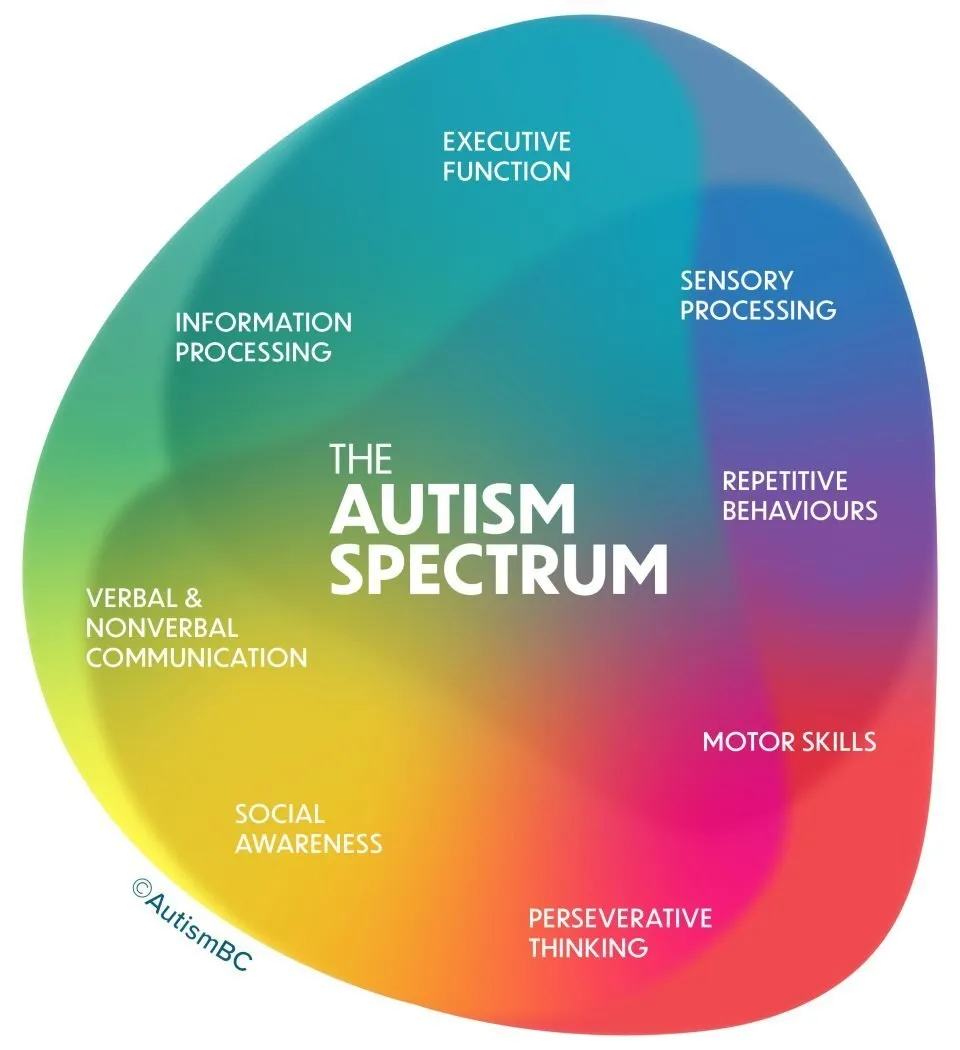
Adult autism assessment is a specialized evaluation that examines a person’s developmental history, social interactions, communication patterns, and sensory sensitivities. Unlike child assessments, adult evaluations often rely on self‑report and collateral information from family or close friends. It’s a bit like assembling a jigsaw puzzle with pieces from different boxes—every piece matters.
Why It Matters
- Diagnosis confirmation: A formal diagnosis can validate lived experiences and provide a framework for understanding challenges. Access to services: Many insurance plans require a documented diagnosis before approving therapies, counseling, or assistive technology. Personal growth: Knowing your profile can guide career choices, relationships, and daily routines.
> “The world is not a place for people with autism; it’s a place for people who are autistic.” – Dr. Tony Attwood
Why Insurance Claim Assistance Matters
Have you ever felt like filing an insurance claim is akin to navigating a labyrinth with no map? The process can be labyrinthine, especially when the paperwork feels like an endless scroll of forms. Insurance claim assistance acts as a guide, helping you interpret policy language, gather necessary documentation, and present a compelling case to your insurer.
The Role of an Advocate
- Policy interpretation: Decoding clauses that determine eligibility. Documentation coordination: Ensuring all medical records, assessment reports, and treatment plans are properly compiled. Follow‑up: Tracking claim status and addressing denials promptly.
When you have an advocate, the odds of a successful claim shift from a needle in a haystack to a well‑charted path.
Steps to Secure an Assessment
1. Identify a Qualified Professional
Not every psychologist or psychiatrist is equipped to assess adults for autism spectrum disorder. Look for:
- Board certification in developmental or neuropsychological assessment. Experience with adult autism populations. Familiarity with insurance claim processes.
2. Gather Supporting Materials
Collect:
- Developmental history: School reports, early childhood records, or anecdotes from caregivers. Current functioning: A log of daily challenges, social interactions, and sensory sensitivities. Previous evaluations: Any prior assessments, even if they were not definitive.
3. Schedule the Assessment
Book an appointment and prepare for a multi‑session evaluation, which may include:
- Structured interviews. Standardized questionnaires (e.g., ADOS‑2, AQ‑Adult). Cognitive and executive function tests.
4. Receive the Report
The clinician will compile a comprehensive report that includes:

- Diagnostic conclusions. Recommendations for services and accommodations. A clear statement of the autism spectrum disorder diagnosis.
5. Submit to Insurance
With the report in hand, you can:
- Complete claim forms: Fill out the insurer’s required paperwork. Attach supporting documents: Include the assessment report, treatment plan, and any relevant medical records. Submit and track: Keep copies of everything and monitor the claim status.
> “The first step to solving a problem is recognizing that it exists.” – Stephen Hawking
Common Pitfalls and How to Avoid Them
| Pitfall | Why It Happens | How to signs and symptoms of autism in girls Fix It |
|---------|----------------|---------------|
| Incomplete documentation | Rushing through paperwork | Double‑check forms and attach all required documents |
| Misunderstanding policy language | Insurance jargon can be confusing | Use an advocate or consult the insurer’s customer service |
| Delayed follow‑up | Claim denials can take months | Set reminders to check claim status every two weeks |
| Choosing the wrong provider | Not all clinicians specialize in adult autism | Verify credentials and ask for referrals from autism support groups |
Avoiding these pitfalls is like steering a boat through a foggy sea—clear navigation keeps you from hitting hidden reefs.
Making Your Assessment Count
Now that you’ve navigated the maze of assessment and insurance claim assistance, what’s next? The key is to view this process not as a hurdle but as a launchpad. The diagnosis and subsequent approvals open doors to:
- Therapeutic interventions: Cognitive behavioral therapy, occupational therapy, or social skills training. Assistive technology: Apps, organizational tools, or sensory devices that improve daily functioning. Educational and workplace accommodations: Flexible schedules, quiet workspaces, or modified tasks.
Remember, an adult autism assessment is not a verdict; it’s a passport to a tailored support system. By leveraging insurance claim assistance, you ensure that the passport is stamped with the right stamps—coverage for the services that matter most.
If you’re ready to take the first step, reach out to a qualified professional today. Your future self will thank you for the clarity, the support, and the peace of mind that comes with knowing exactly what you need—and having the means to get it.